Anchorage Neighborhood Guide for Relocating Buyers
April 2, 2026
April 2, 2026
Thinking about Anchorage and wondering how to choose the right neighborhood without getting overwhelmed? That is a smart place to start, because Anchorage is a big, varied market where your day-to-day lifestyle can feel very different from one area to the next. If you are relocating for work, military service, or simply a change of scenery, this guide will help you narrow your options using a practical framework built around commute, recreation, and housing style. Let’s dive in.
Anchorage spans 1,706.8 square miles, so neighborhood choice is often less about picking north, south, east, or west and more about choosing the route you will actually use most days. While the U.S. Census QuickFacts for Anchorage reports a mean commute of 18.8 minutes, that citywide number can hide very different experiences depending on where you live and where you need to go.
One major factor is road access. The Alaska DOT identifies the Seward Highway as Anchorage’s main north-south corridor, carrying more traffic than any other north-south route in the city and serving both local and commuter movement. That means your commute may feel more defined by your preferred corridor than by your ZIP code.
If you are relocating for military service, this becomes even more important. JBER gate access can materially change your daily drive, whether you are using the Richardson Gate for Glenn Highway traffic, the Boniface Gate for direct access to the Air Force side, the Government Hill Gate from downtown, or the Post Road Gate off Reeve Boulevard.
Before you fall in love with a home online, ask yourself a few route-first questions:
When you answer those questions first, you can usually eliminate several neighborhoods quickly and focus on the ones that make daily life easier.
For many people moving to Anchorage, access to the outdoors is not a bonus. It is part of how you want to live. That is why your next filter should be whether a neighborhood supports your routine, not just whether it has a nearby park on a map.
Anchorage Parks and Recreation manages 10,946 acres of parkland and more than 250 miles of trails, according to the municipal parks and trails page. That same resource notes that many local trails connect to Chugach State Park, which covers roughly 495,000 acres.
The city has also introduced Neighborhood Greenways in 2025 to support safer, lower-stress neighborhood routes for walking, biking, and rolling. These routes are designed for speeds of 20 mph or under and are intended to connect residents to parks, greenbelt trails, and everyday destinations.
That matters because recreation access is not only about weekend plans. It can shape your mornings, evenings, and ability to get outside regularly without a big planning effort.
As you compare neighborhoods, consider:
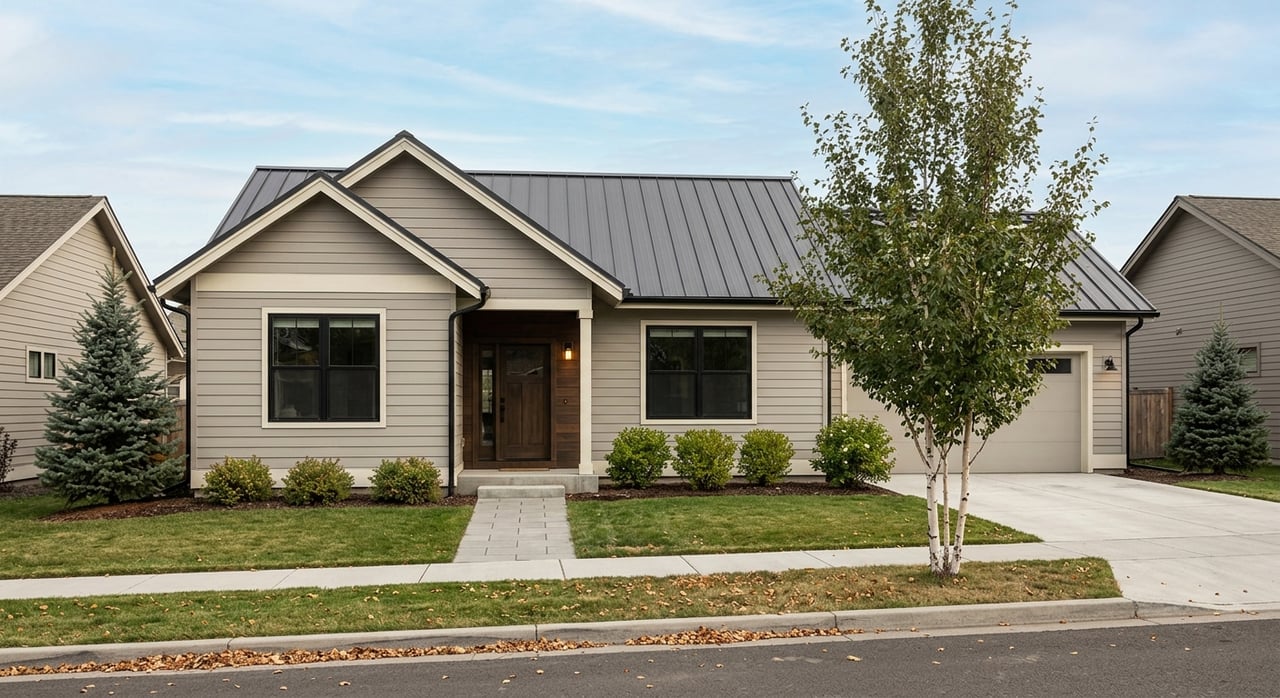
A neighborhood can look great on paper and still feel wrong if the housing stock does not fit your needs. In Anchorage, housing type is a major part of the decision.
Anchorage has 121,200 housing units and an owner-occupied housing rate of 63.9%, based on U.S. Census QuickFacts. The 2018 municipal housing survey adds useful detail: three-quarters of homeowners lived in single-family homes, many homes were built during the 1977 to 1986 period or earlier, and highly ranked features included a garage, a yard, proximity to parks and trails, proximity to work, and single-level living.
This is helpful because it shows that Anchorage neighborhood choice is often tied to built form. You are not only picking a location. You are picking a daily setup.
Think about the kind of home that will function best for you:
If you define your must-haves early, your shortlist becomes much more focused.
You do not need to know every Anchorage neighborhood before you relocate. It often helps to compare a couple of anchor areas first so you can identify what feels most like your lifestyle.
Municipal planning documents describe the Hillside as a low-density area with lots commonly ranging from 1.25 to 2.5 acres and larger. The area is known for vegetation, trail access, wildlife, privacy, and a rural or country-road feel, based on the Hillside District Plan framework.
For some buyers, that setting is the appeal. If you want more separation between homes, a larger lot, and a quieter feel, Hillside can be a strong fit.
It is also important to understand that road service can be different there. Anchorage has 21 LRSA service areas on the Hillside, where local boards use private contractors for grading, pothole repair, drainage, dust control, snow removal, and ice control. That does not make the area better or worse, but it does mean your day-to-day expectations may differ from other parts of Anchorage.
Recreation is a major draw as well. Hillside Park is part of Far North Bicentennial Park, Anchorage’s largest park at 4,011 acres, with more than 80 miles of trails and over one million visitors a year. If you want direct access to a major trail network, Hillside deserves a close look.
If you want strong outdoor access but prefer a more urban-suburban housing pattern, South Anchorage can be a helpful comparison point. The municipal housing survey defines South Anchorage as neighborhoods south of Dimond Boulevard and west of the Seward Highway, according to the 2018 housing survey report.
This area offers notable recreation connections. Campbell Creek Trail runs 7.5 miles along Campbell Creek and provides a safe means of access to a large portion of the Anchorage Bowl. Taku Lake Park in the Taku/Campbell neighborhood is a 53-acre park along the Campbell Creek Greenbelt with trails, a skate park, tennis courts, open space, and fitness amenities.
For many relocators, South Anchorage works well when they want a neighborhood that still feels connected to daily services and established housing patterns, while keeping trail access close at hand.
Once you know your route, your lifestyle priorities, and your preferred housing form, it is time to verify your shortlist with official tools. This step helps you move from broad impressions to practical decision-making.
The Municipality’s planning map gallery includes a vicinity map and community council maps for areas such as Hillside and Sand Lake/Taku-Campbell. The GIS MyNeighborhood tool can help you look up property details, recreation, local services, plans, and important places within Anchorage neighborhoods.
When you pair those tools with the parks and trails information and the Neighborhood Greenways map, you can confirm whether a neighborhood actually supports the life you want to live. That is especially useful if you are relocating from out of state and cannot rely on quick in-person visits alone.
If you want a practical way to compare areas, use this three-part checklist.
Give each neighborhood a simple rating based on:
Rate each area for:
Compare each neighborhood based on:
The goal is not to find the “best” neighborhood in Anchorage. The goal is to find the best match for your route, your priorities, and your preferred way of living.
Relocating can make every neighborhood look appealing in a different way. One area may offer more space. Another may offer easier daily access. Another may put trails right into your routine. If you try to compare everything at once, the search can feel scattered fast.
A clearer approach is to narrow neighborhoods in this order:
That framework reflects how many people actually experience Anchorage. It also helps you avoid a common mistake: choosing a home for its looks before confirming that the neighborhood works for your everyday life.
If you want help turning this framework into a realistic shortlist, Michelle Nelson- offers founder-led, neighborhood-focused guidance for Anchorage relocations. Whether you are comparing Hillside, South Anchorage, or other parts of the city, you can get practical insight tailored to how you plan to live, commute, and settle in.
Stay up to date on the latest real estate trends.

Unlock a personalized real estate experience with Michelle’s expert guidance. Whether you're buying, selling, or investing, Michelle is here to provide trusted advice, market insight, and a seamless process from start to finish.