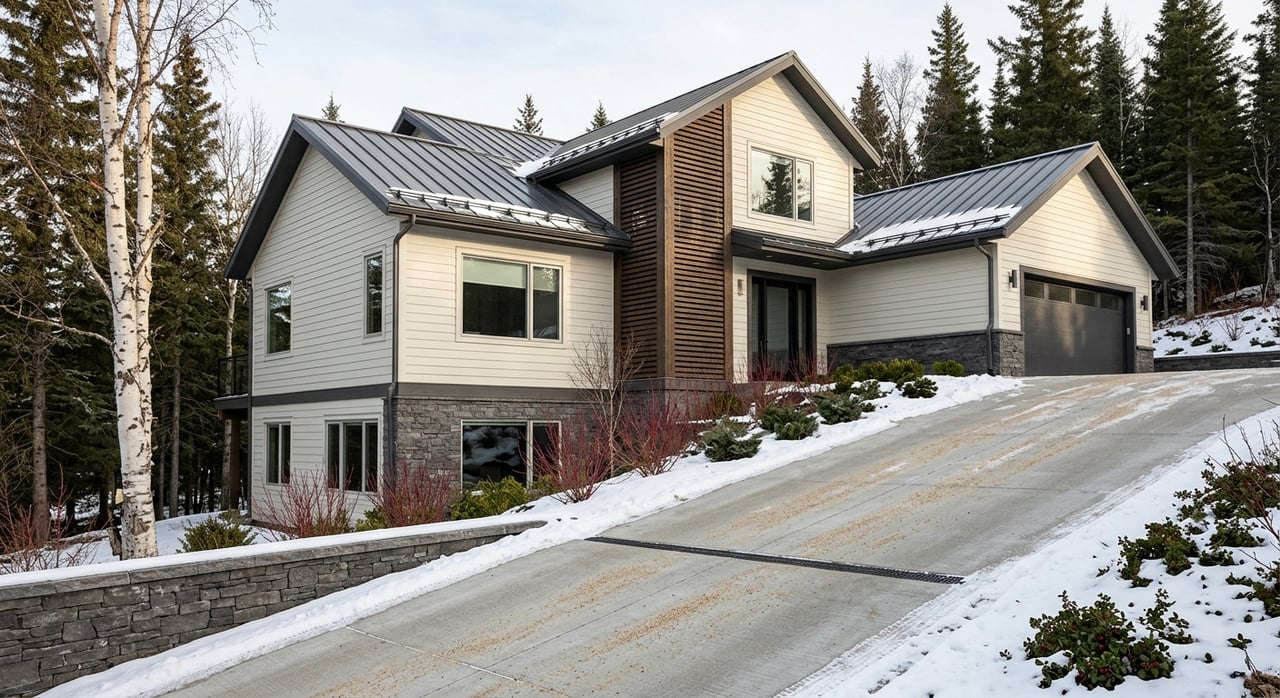
Buying a Hillside Anchorage Home: Key Factors to Review
July 9, 2026
July 9, 2026
If you are drawn to Anchorage’s Hillside for the views, trail access, and sense of space, you are not alone. But buying here is not just about the house itself. On the Hillside, road access, drainage, winter livability, and on-site systems can shape your day-to-day experience just as much as the floor plan. A little extra due diligence can help you choose a property that fits your lifestyle in every season. Let’s dive in.
On Anchorage’s Hillside, road maintenance can work differently than it does in lower-elevation areas. Many roads are part of LRSAs, or Limited Road Service Areas, where local boards hire private contractors for services like grading, pothole repair, drainage ditch clearing, dust control, snow removal, and ice control.
That means one of your first questions should be simple: who maintains the road? A route may be municipal, state, LRSA, or private. Each setup can affect how maintenance is handled, how quickly work gets done, and whether you may have annual assessments or other charges.
Winter access is also a practical issue at the driveway level. The Municipality of Anchorage notes that plowing can create snow berms, and property owners are responsible for clearing berms that block a driveway or mailbox. During large snowfall events, it can also take days to clear neighborhood streets.
Before you buy, it helps to look beyond a summer showing and think about real winter use. Consider whether there is enough room for a plow, delivery truck, or emergency vehicle to turn around, and ask how the road and driveway perform during heavy snow and freeze-thaw cycles.
Hillside lots can be beautiful, but they also need careful evaluation. Anchorage Watershed Management says development can change topography, compact soil, increase stormwater runoff, and create more erosion along stream banks and streambeds.
For you as a buyer, that means you should not assume water will naturally move away from the home without issue. Roof runoff, driveway grading, retaining walls, and snowmelt drainage all deserve a closer look. These details can affect both the structure and how easy the property is to live with throughout the year.
The Alaska Earthquake Center notes that landslides are more likely on steep slopes and soft ground. It recommends consulting an engineering geologist, geotechnical engineer, or foundation engineer when evaluating a specific site. This can be especially important if the lot is steep or if there are visible signs of drainage or soil concerns.
It is also smart to think about how the house is built into the lot. The Alaska Earthquake Center notes that older split-level homes and rooms added over garages can be vulnerable if the structure is not adequately supported. A lot review and a structural review should go together.
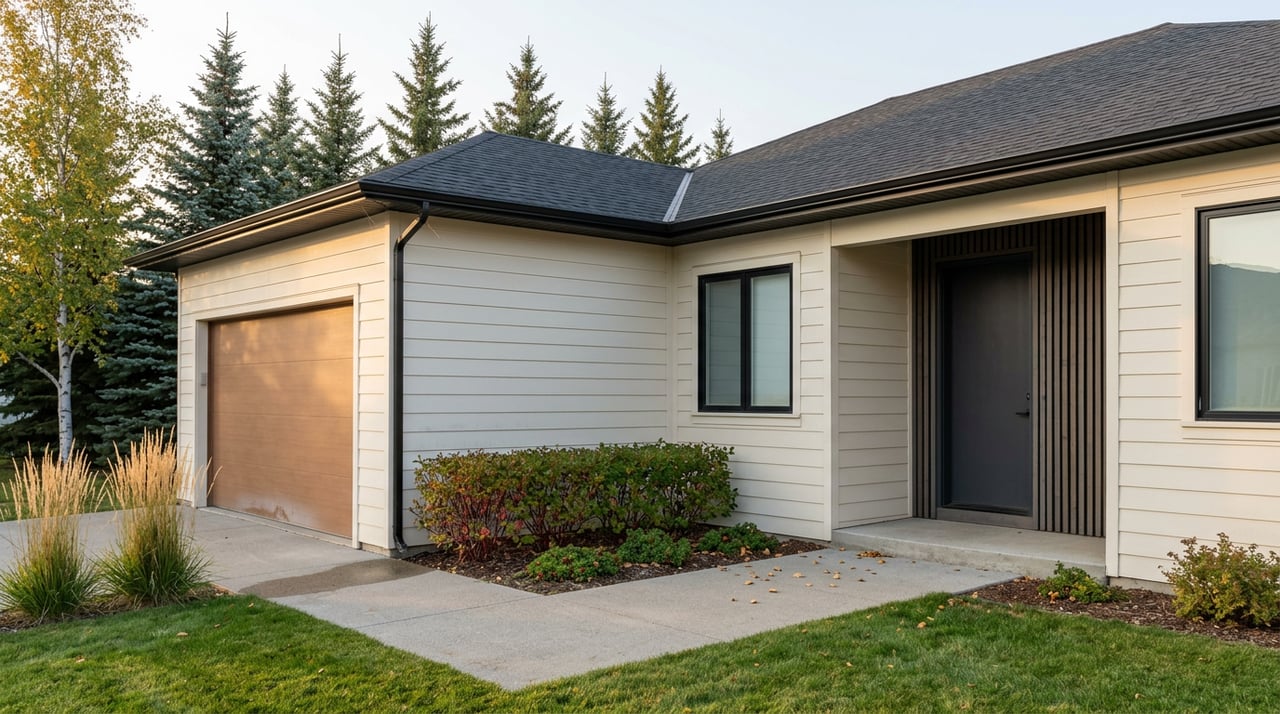
A home can look great online and still feel hard to live in once winter arrives. On the Hillside, many properties have multi-level layouts, sloped driveways, and garage entries that may not feel the same in July as they do on an icy January evening.
If possible, visit with daily life in mind. Think about stairs, mudroom flow, bedroom placement, and whether the main entry gets good access in wet or snowy weather. If parking sits below the main living level, consider what that setup would feel like in the dark, on ice, or while carrying groceries.
Some Hillside homes rely on on-site wells and septic systems rather than fully municipal utilities. If a property has these systems, do not treat them as minor background details. They can affect both the transaction process and your long-term maintenance responsibilities.
The Municipality of Anchorage requires a Certificate of On-Site Systems Approval, or COSA, at title transfer for properties served by regulated on-site water and wastewater systems. According to the municipality, the process includes records review, field inspection, and, if needed, well-flow and disposal-field testing. Even when systems are in good condition, buyers and sellers should still allow about five days for review.
The municipality also recommends regular water testing for nitrate and coliform bacteria and, in some areas, arsenic. Its guide notes that septic tanks should be pumped or solids levels checked at least every two years. It also states that driveway or parking construction should not sit over septic components.
These are not small details. They can change the true cost and upkeep of a property, even when the house itself appears move-in ready.
For many buyers, one of the Hillside’s biggest draws is easy access to outdoor recreation. Alaska DNR says Chugach State Park sits at Anchorage’s doorstep, and Glen Alps Trailhead is about a 20-minute drive from downtown. Glen Alps offers access to hiking, biking, snowshoeing, and snowmobile trails.
That access can be a major lifestyle benefit if you want quick connection to the trail system. At the same time, it is worth thinking through the practical side of living near major access points. Parking, weekend traffic, trailhead activity, and wildlife encounters may all be part of the experience.
DNR also notes that some summer trails are poor winter candidates because of avalanches and other hazards. Glen Alps also has a daily parking fee. If trail convenience is high on your list, it helps to confirm that the location truly supports the way you plan to use it year-round.
On sloped lots, sun exposure is more than a comfort issue. It can affect snow melt, ice formation, and how bright or shaded a property feels during the colder months.
The best way to judge sun exposure is to visit at different times of day and, if possible, in both winter and shoulder season. Tree cover, lot orientation, and shade can all change how a driveway, walkway, or main entry performs. This matters even more when the home’s access points receive limited direct sun.
A driveway that looks manageable in dry weather may feel very different after several days of snow and cold. The same is true for front steps, side paths, and garage approaches.
Anchorage wildfire planning materials describe the municipality as a wildland-urban interface area, where homes often meet forested land and hillside gradients can influence fire spread. If you are buying on the Hillside, wildfire preparedness should be part of your due diligence.
The Anchorage Fire Department says residents can request free property assessments. Its Firewise guidance emphasizes defensible space, and on steep slopes, the downhill side may need a larger clearance distance.
The same guidance recommends reflective address numbers, cleared vegetation along the driveway, and a driveway at least 12 feet wide with a turnaround to help emergency vehicles reach the home. That makes driveway width, sight lines, and turnaround space important buying considerations, not just future improvement ideas.
When you buy on Anchorage’s Hillside, the right question is not only whether the home is attractive. It is whether the property works well for your real life across all four seasons.
A strong buying decision usually comes down to a few core issues: reliable access, manageable maintenance, sound drainage, clear utility records, and a layout that still feels functional in winter. Views and trail access can absolutely be part of the appeal, but they should be balanced with the practical realities of owning the property.
This is where local guidance matters. A thoughtful home search on the Hillside should account for the lot, the road, the systems, and the seasonal experience, not just the finishes or square footage.
If you are considering a Hillside home in 99516, working with an experienced local advisor can help you ask better questions before you write an offer. For personalized guidance on Anchorage neighborhoods and Hillside properties, reach out to Michelle Nelson-.
Stay up to date on the latest real estate trends.
Unlock a personalized real estate experience with Michelle’s expert guidance. Whether you're buying, selling, or investing, Michelle is here to provide trusted advice, market insight, and a seamless process from start to finish.