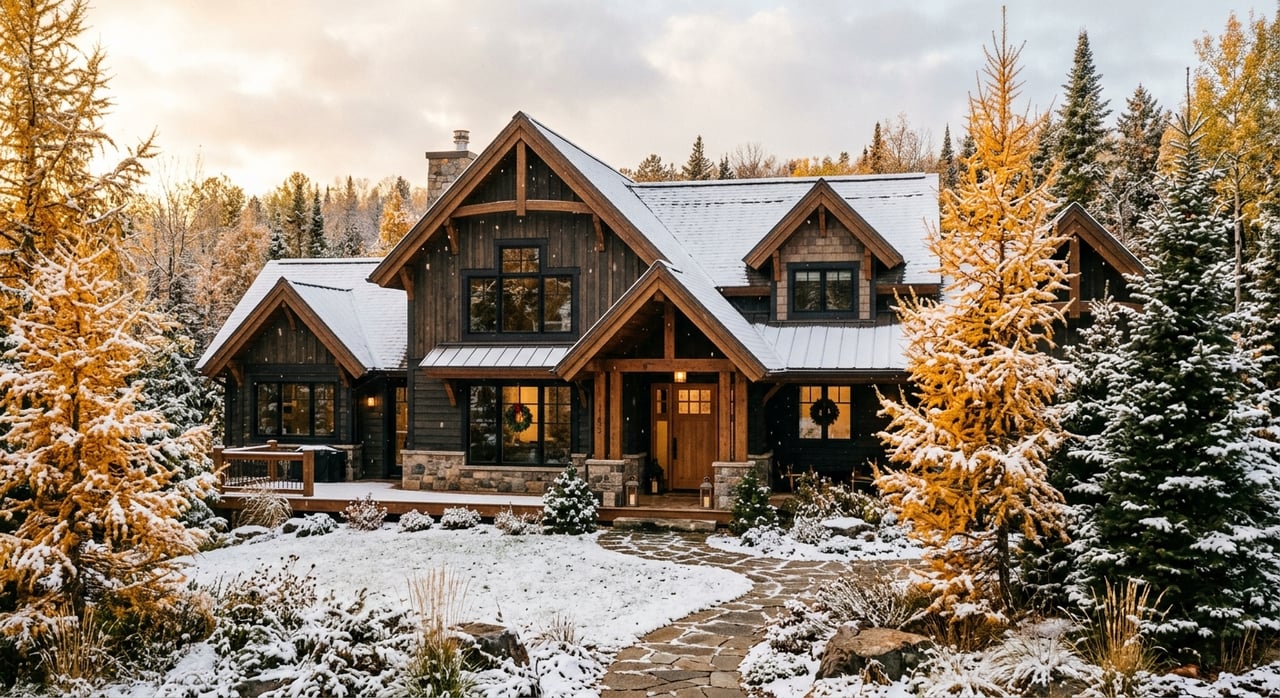
A Seasonal Guide to the Hillside Anchorage Lifestyle
July 2, 2026
July 2, 2026
Are you drawn to Anchorage’s Hillside because of the views, the trails, or that hard-to-describe feeling of living close to the edge of the city and the outdoors at the same time? If so, 99516 has a rhythm that changes in a very real way from season to season. When you understand how winter lingers, how spring and fall shift quickly, and how summer stretches late into the evening, you get a clearer picture of what daily life here can actually feel like. Let’s dive in.
The feel of Hillside Anchorage starts with the setting itself. In 99516, the landscape is shaped by open space, natural vegetation, trails, and broad views, all of which are noted in the Hillside District Plan.
That same setting also brings practical seasonal differences. Steep slopes, high winds, and longer snow cover are part of the Hillside experience, and on the upper Hillside, winter conditions can last as much as six weeks longer than they do on Anchorage’s flatlands.
Chugach State Park is a major reason the area feels so distinct. The park covers about 495,000 acres, mostly within the Municipality of Anchorage, and its western boundary sits about seven miles east of downtown.
That closeness changes the day-to-day atmosphere. From the Hillside, you are living near a major trail network and a large natural area while still staying connected to city life, which gives the neighborhood a true edge-of-wilderness feel.
Winter in Anchorage is substantial, and the Hillside often feels it even more. NOAA climate normals for Anchorage Merrill Field show a January mean daily temperature of 15.4 degrees and annual snowfall of 168.1 inches, which gives you a useful baseline for the city as a whole.
On the Hillside, though, winter often hangs on longer. Because upper elevations keep snow cover later into the season, daily routines can feel a little different here than they do in flatter parts of Anchorage.
If you picture a clean break between seasons, the Hillside may surprise you. Snow can remain part of your routine well after other parts of Anchorage begin to thaw, especially on upper slopes.
That longer winter hold can shape everything from how your yard looks to how your mornings feel. It is one of the reasons many residents describe the Hillside as having a more mountain-adjacent lifestyle than other parts of the city.
One practical detail that stands out in winter is road maintenance. The Municipality of Anchorage says many Hillside roads are maintained through limited road service areas, where private contractors handle snow removal, road maintenance, and ice control.
For you, that can make winter access feel less uniform than in a flatter urban grid. It adds to the area’s more rural character, even though you are still within Anchorage city limits.
For many people, winter here is not just about managing snow. It is also about enjoying it. Anchorage Parks and Recreation lists winter activities such as cross-country skiing, winter biking, ice skating, sledding, dog mushing, skijoring, snowshoeing, and walking.
The Hillside trail guide also notes that some local routes support hiking, biking, skiing, and snowmobiling when conditions allow. If you enjoy getting outside, winter on the Hillside can feel active rather than limiting.
The shoulder seasons are where the Hillside’s terrain becomes especially noticeable. Spring and fall do not always arrive all at once here, and the transition can feel patchy from one area to another.
That means you may see lingering winter conditions in some spots while lower trails begin to thaw and soften. It is a setting where the land makes the seasonal change feel gradual instead of neat.
Chugach State Park trail descriptions regularly mention muddy conditions, including seasonal muddy areas on local routes. That is one reason spring and fall often feel more dynamic on the Hillside than people expect.
NOAA precipitation normals also help explain why. At Merrill Field, average precipitation rises from 0.99 inches in June to 1.70 inches in July, 2.48 inches in August, and 3.02 inches in September, so trail and ground conditions can change quickly late in the warm season.
The transition seasons are not only about mud and thaw. State park trail information also points to early wildflowers, first snow-free spring hikes, and fall berry picking, which gives these in-between months their own appeal.
If you enjoy a landscape that feels active and changing, spring and fall can be especially memorable. They tend to bring a mix of textures and colors that shifts week by week.
Wildlife is part of the Hillside experience across the year, but it can feel especially noticeable in spring and fall. The state park trail guide notes that moose frequent the trails, and the Alaska Department of Fish and Game says brown and black bears are present.
The department also recommends caution in spring and fall, when animals are more visible on subalpine slopes and around muddy creek areas. In simple terms, this is a scenic area, but it is also shared habitat.
If winter feels extended, summer feels expansive. One of the defining parts of Hillside living in summer is just how long the day seems to last.
NOAA’s late June climate summary for Anchorage shows sunrise around 4:26 to 4:27 a.m., sunset at 11:41 p.m., and about 19 hours and 15 minutes of daylight. That amount of light changes the pace of the season in a very real way.
On the Hillside, summer evenings often feel less like evening and more like a second afternoon. With daylight lasting so late, it is easier to fit in a walk, a bike ride, or time outdoors after the workday ends.
That long light also tends to make the area’s views feel even more rewarding. Elevated streets and lots can offer a strong visual payoff when the sky stays bright deep into the night.
Summer is when the Hillside’s trail access may feel most immediate. The Hillside trail guide highlights routes with hiking, biking, skiing, and sunset views, and identifies access points such as Glen Alps and Prospect Heights.
That means neighborhood living and outdoor access are closely connected here. You can move from residential streets into a large trail system without needing to plan your whole day around the drive.
Summer often makes the Hillside’s identity easiest to understand. Alaska Department of Fish and Game describes Chugach State Park as a place for outdoor activity and wildlife viewing just minutes from downtown, while the trail guide notes broad views of the Anchorage Bowl and surrounding mountains.
For many buyers and sellers, this is the season that makes the experience click. The combination of bright evenings, visible mountains, and quick trail access creates a lifestyle that feels both grounded and expansive.
The best way to think about Hillside Anchorage is not as a one-season neighborhood. It is a year-round environment where the land, weather, and access to open space shape your routine in different ways throughout the year.
In winter, you may notice longer snow cover and a more rural road feel. In spring and fall, you may experience muddy trails, wind, thaw, and quick shifts in conditions. In summer, long daylight hours and immediate access to Chugach State Park can make everyday life feel especially open and active.
That is why Hillside living tends to appeal to people who want more than a view alone. It offers a city address with a strong connection to the outdoors, and that connection shows up in every season.
If you are thinking about buying or selling in 99516, local insight matters. Michelle Nelson- brings neighborhood-level guidance and a thoughtful, high-touch approach to helping you understand how a home fits your goals in every season.
Stay up to date on the latest real estate trends.

Unlock a personalized real estate experience with Michelle’s expert guidance. Whether you're buying, selling, or investing, Michelle is here to provide trusted advice, market insight, and a seamless process from start to finish.