Anchorage CMA vs Zestimate: Getting the Real Value
January 1, 2026
January 1, 2026
You typed your address into an online estimator and saw a number in seconds. Helpful, right? In Anchorage and the North Slope, that quick figure can be close or it can miss by a wide margin because of views, topography, seasonality, and limited data. If you are thinking about selling or planning your next move, you deserve a clearer picture of value. This guide breaks down CMA vs. online estimates, how Alaska’s market changes the math, and simple steps to price with confidence. Let’s dive in.
A Comparative Market Analysis is a locally prepared estimate of value based on recent comparable sales, active and pending listings, and hands-on knowledge of your neighborhood. A CMA considers property specifics like condition, finishes, views, lot usability, and recent upgrades. It also weighs current momentum, such as days on market and inventory trends, to suggest a price range for listing or planning.
A CMA is a practical pricing tool, not a formal appraisal. You use it to set strategy, prepare a listing, or plan improvements based on what buyers are doing right now.
Automated Valuation Models, often called online estimates, use algorithms trained on public records, tax data, MLS feeds where available, and transaction histories. They are fast, free, and useful for a quick baseline.
The limitation is that AVMs rely on structured data and often cannot see what a walk-through would reveal. They struggle to value unique features like unobstructed mountain or water views, the quality of upgrades, or how a steep Hillside lot affects usability.
A licensed appraiser delivers a formal opinion of value for lending, legal, or estate needs. Appraisals follow professional standards and usually include a site inspection and a detailed report. If you need valuation certainty for a refinance or legal matters, an appraisal is the right path. For pricing strategy and timing a sale, a CMA is the more practical first step.
Anchorage is a mosaic of micro-markets. Hillside homes differ from Turnagain coastal properties. Downtown and Ship Creek condos serve different buyers than Eagle River or Girdwood. A single ZIP code average can hide big differences within a few streets. A CMA that pulls very local comps, often on the same or adjacent streets, tends to be more accurate than a broad algorithm.
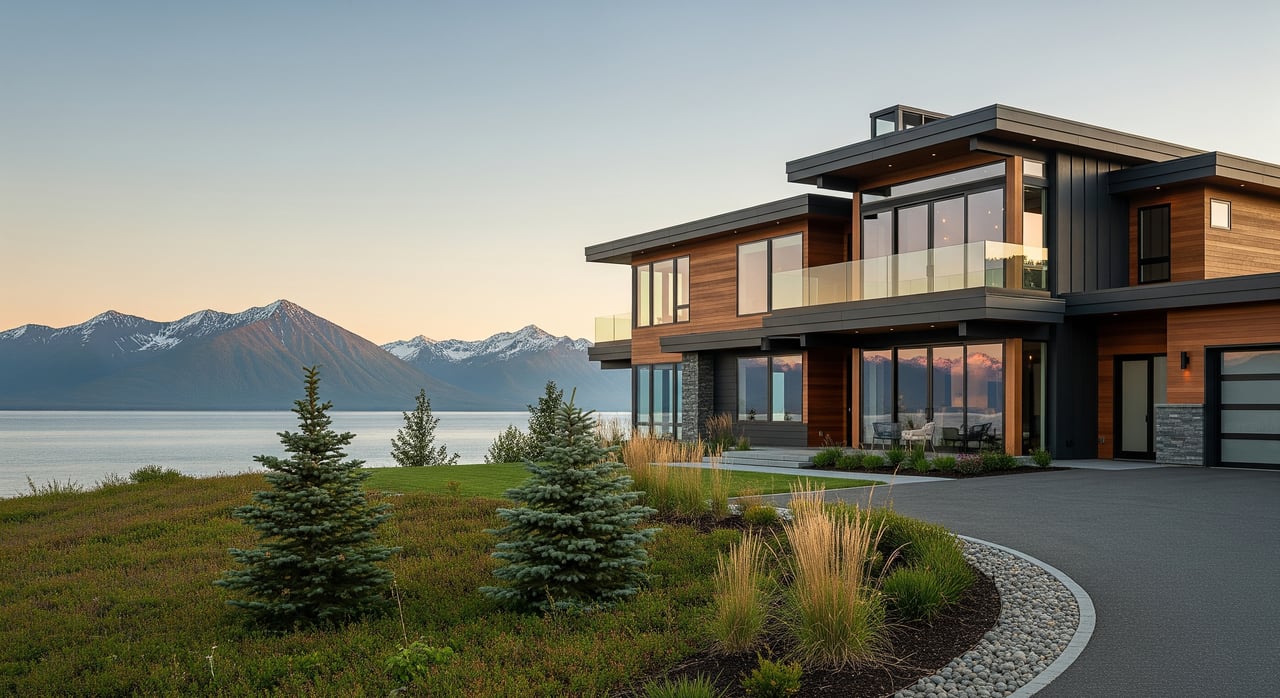
Mountain and water views often carry premiums in Anchorage, while steep or elevated lots can limit use and appeal to a more specific buyer pool. Road access, winter sun exposure, snow load, and orientation affect daily living and costs. AVMs rarely read view quality or nuanced lot usability the way a local agent can.
In a cold climate, heating systems, insulation, foundation condition, and energy features have outsized importance. Renovations in kitchens and bathrooms, heated garages, and finish levels change buyer demand and price. Algorithms usually treat upgrades as checkboxes, while a CMA can adjust for the level of craftsmanship and recency of work.
Anchorage has a pronounced selling season, with listing activity and buyer traffic commonly concentrating in late spring and summer. Online models may lag as conditions change or when inventory swings. A CMA can reflect real-time insight from recent pendings, active showings, and buyer behavior in your submarket.
Public records can lag, and some sales do not flow cleanly to databases right away. That makes models less dependable. In submarkets with few sales, any algorithm faces small sample sizes that increase variance. A CMA can widen the range and explain uncertainty, so you are not surprised later.
The North Slope has very low transaction volume, longer marketing times, and atypical property types like company housing or leased land. Freight and construction costs are high, and permafrost or foundation considerations influence value. AVMs trained on big-city data do not model these factors well. Expect wider valuation ranges and lean on specialized local expertise.
Use online estimates as a starting point, then verify locally before you set a list price or budget for your next purchase.
If your CMA and online estimates differ a lot, use a simple process to close the gap:
Copy these fields into an email or note to organize your details before you request a CMA. Your agent can fill the market snapshot and adjustments.
In Anchorage and the North Slope, the most accurate number usually comes from pairing a local CMA with real-time market context. Online estimates are helpful baselines. They are not built to see your view line, your insulated garage, or the sunlight your kitchen gets in January. A strong CMA explains those details, shows the comps, and gives you a range you can use to plan.
If you are thinking about selling, relocating, or timing improvements, you can get clarity without guesswork. Schedule a conversation and bring your worksheet. You will get market insight tailored to your street, a realistic price range, and a plan to get to market when buyers are most active.
Ready for local guidance and a crafted plan for your home? Schedule a personal market consultation with Michelle Nelson.
Stay up to date on the latest real estate trends.

Unlock a personalized real estate experience with Michelle’s expert guidance. Whether you're buying, selling, or investing, Michelle is here to provide trusted advice, market insight, and a seamless process from start to finish.