COSA Well and Septic Rules for Anchorage Hillside Sales
September 3, 2026
September 3, 2026
A finished lower level on the Hillside does not always agree with the paperwork filed when the septic system went into the ground. That disagreement tends to surface at the worst possible moment: an engineer arrives to sign off on a sale, checks the Municipality's on-site wastewater records, and finds the tank and drain field were designed and approved to serve three bedrooms, not the five a remodel added a decade later.
This is not a rare hiccup. It is a structural feature of buying and selling on the Hillside, and it traces back to a boundary line the Anchorage Assembly drew in 2010.
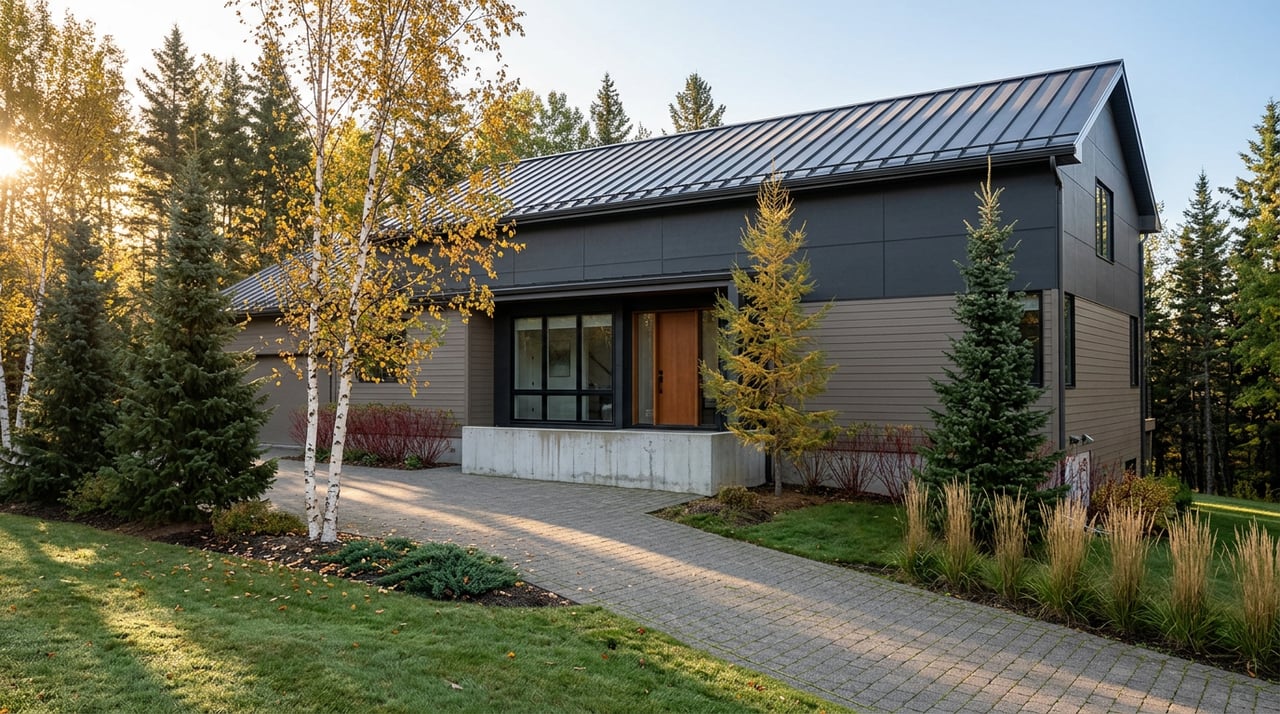
When the Assembly adopted the Hillside District Plan in April 2010, it set a boundary for Anchorage Water and Wastewater Utility mains in southeast Anchorage. AWWU has confirmed that nearly 7,000 residential lots in southeast Anchorage sit outside that boundary today; most are larger than an acre, and all depend on a well for drinking water and a septic system for wastewater rather than a city hookup.
That boundary is why well-and-septic homes are not the exception on the Hillside. They are the baseline for a large share of the district, particularly at higher elevations where lot sizes were platted at 1.25 acres or larger under the original zoning. Extending municipal mains past that fixed line now requires approval from both the Anchorage Assembly and the Regulatory Commission of Alaska, which is a high bar that has kept the boundary largely where it was drawn sixteen years ago.
In August 1998, the Municipal Assembly passed the ordinance that still governs every well-and-septic sale in Anchorage today. It requires a Certificate of On-Site Systems Approval, known locally as a COSA, before title can transfer on any property served by a private well or septic system. No COSA, no closing. The certificate exists to confirm a licensed engineer has physically tested both systems and found them within the standards the Municipality set decades ago.
Plenty of comparable large-lot properties in the Matanuska-Susitna Borough also run on well and septic. A buyer moving from a Wasilla acreage listing to a Hillside one will encounter the Anchorage COSA requirement once they cross into Municipality of Anchorage jurisdiction.
Here is the detail that catches sellers off guard. Anchorage Municipal Code 15.65 requires a septic system to be sized according to the number of bedrooms it serves, based on a formula that assumes two occupants per bedroom. Once a system is designed and permitted for a specific bedroom count, that number becomes part of its official record with the Municipality's On-Site Water and Wastewater Section, whether or not it matches the number of bedrooms in the Municipality's tax assessment records or the seller's own listing description.
The record on file with the Municipality does not know about a finished basement. It only knows how many bedrooms the septic system was designed to serve the day it was approved.
The COSA process is not a single inspection. It is a stack of separate tests, each with its own timeline and its own expiration clock, which is part of why sellers benefit from starting early rather than waiting for a buyer's lender to ask for it.
| Requirement | What it confirms | Typical time to complete | How long the result holds |
|---|---|---|---|
| Water sample (coliform, nitrate, arsenic) | Drinking water is safe to consume | About 10 business days at the lab, 5 with a rush fee | PanEngak says bacteria and nitrate results expire after 90 days; arsenic results hold for a year |
| Well flow test | The well produces enough water for the household | Roughly 4 hours on site | Covered by the same certificate window |
| Septic absorption test | The drain field still absorbs wastewater at its designed rate | 24 hours | Covered by the same certificate window |
| Tank pumping receipt | The tank has been serviced recently | Same-day service from a local pumping company | Must be dated within the past 12 months at submission |
| Full COSA | Both systems meet Municipal code | Engineer testing plus Municipal review | Valid 2 years from the test date, contingent on the 90-day bacteria and nitrate window |
Arsenic testing matters more in Southcentral Alaska than in most markets, since it occurs naturally in pockets of groundwater across the region, which is part of why the Municipality requires it as a standard part of every well test rather than an optional add-on.
If a system fails, the fix is rarely quick or inexpensive. Full replacement systems on Hillside lots have historically run somewhere between $10,000 and $30,000 depending on soil conditions and whether a conventional or advanced system is required, and the Municipality requires three separate installation bids before work can begin. If a seller cannot complete the replacement before closing, the Municipality allows a conditional COSA during winter months when ground conditions make construction impractical, but it comes with a catch: the sale can only close if an escrow is established for one and a half times the highest replacement bid, held until the new system is actually installed the following season.
That is a meaningful amount of cash to set aside at closing, and it is the kind of detail that needs to surface in a listing strategy conversation weeks before a home goes live, not during a buyer's inspection period.
The engineers who perform this testing across Anchorage, at firms like C&M Engineering and Forge Engineering, consistently advise the same thing: test early. Waiting until an offer is in hand means a failed system or a bedroom mismatch turns into a closing delay instead of a pricing conversation.
Before listing a Hillside home on well and septic, it is worth pulling together:
That last item is the one worth double-checking against the Municipal record before a listing goes live promoting a bedroom count the septic system was never engineered to support.
Does every Hillside home need a COSA? Only homes served by a private well or septic system need one. Lower Hillside properties inside the AWWU service boundary and connected to municipal water and sewer are exempt from the requirement entirely.
How long is a COSA good for once issued? Two years from the date of the well and septic tests, provided the bacteria and nitrate results stay within their 90-day window at the time of submission. A sale that drags past that window may need a fresh water sample even if the rest of the certificate is still valid.
What if the Municipality has no record of the septic system at all? This happens on older Hillside properties, particularly where a legal description changed through a later plat action. In that case, the Alaska Department of Environmental Conservation says the current owner needs an engineer to submit a fresh report documenting the system before a COSA can move forward, which adds time worth planning for well before a target closing date.
Well and septic status shapes pricing, timeline, and negotiation on nearly every Hillside sale, and it rewards sellers who get ahead of it rather than sellers who find out at the inspection table. If you are weighing a listing on the Hillside, or trying to understand what a specific property's on-site systems mean for your timeline, Anchorage Home Group can walk through the COSA process against your specific address, connect you with the right engineer, and help you schedule a personal market consultation before your home ever goes live.
This article is general information, not legal, tax or financial advice. Consult a qualified professional about your situation.
Stay up to date on the latest real estate trends.

Unlock a personalized real estate experience with Michelle’s expert guidance. Whether you're buying, selling, or investing, Michelle is here to provide trusted advice, market insight, and a seamless process from start to finish.